Unlocking Dance: Exploring the Motivation Behind Movement
- Mia Katsyv
- Aug 8, 2025
- 4 min read
Dance is more than just a series of steps or movements. It is a form of expression, a way to communicate feelings and ideas without words. For many, dance is a passion that ignites the soul. But what drives people to move? What motivates them to step onto the dance floor? Today, we will explore the various motivations behind dance, from personal expression to social connection.
The Joy of Expression
One of the most powerful motivations for dancing is the joy of being able to express oneself. Dance allows individuals to express their emotions in a way that words often cannot. Whether it is happiness, sadness, or anger, movement can convey feelings that are difficult to put into words.
For example, imagine a dancer performing a contemporary piece. The fluid movements and dynamic changes in tempo can reflect a range of emotions. The audience can feel the dancer's joy or sorrow through their movements. This connection between the dancer and the audience is what makes dance so special.
Physical Benefits of Dance
Another significant motivation for many people is the physical benefits of dance. Dancing is a fantastic way to stay active and healthy. It provides a full-body workout that can improve strength, flexibility, and endurance.
Many people find that dancing helps them stay fit while having fun. Classes like Zumba or hip-hop dance offer a lively atmosphere where participants can burn calories without feeling like they are exercising. This combination of fitness and enjoyment is a powerful motivator for many.
Social Connections Through Dance
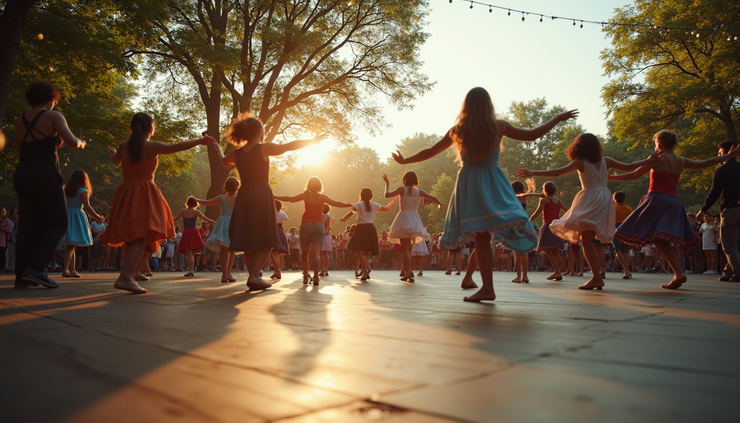
Dance is also a social activity. Many people are drawn to dance because it allows them to connect with others. Whether it is in a dance class, at a party, or during a performance, dancing brings people together.
For instance, imagine a salsa dance night at a local club. People come together to learn, practice, and enjoy the music. The energy in the room is infectious, and the shared experience creates bonds between dancers. This sense of community is a strong motivator for many to participate in dance.
Cultural Significance of Dance
Dance is often tied to cultural traditions and practices. Many people are motivated to dance as a way to connect with their heritage. Traditional dances can tell stories, celebrate events, or honor ancestors.
For example, in many cultures, dance is an integral part of celebrations like weddings or festivals. Participating in these dances allows individuals to feel a sense of belonging and pride in their culture. This connection to cultural roots can be a powerful motivator for many dancers.
Dance as a Form of Therapy
In recent years, dance has also been recognized for its therapeutic benefits. Dance therapy is a growing field that uses movement to help individuals express themselves and heal emotionally.
Many people find that dancing helps them cope with stress, anxiety, or trauma. The act of moving can release bottled up emotions and provide a sense of relief. This therapeutic aspect of dance can be a strong motivator for those seeking healing through movement.
The Influence of Music
Music plays a crucial role in dance. The rhythm, melody, and lyrics can inspire movement and motivate individuals to dance. Many people feel an irresistible urge to move when they hear their favorite songs.
For instance, a catchy pop song can make anyone want to get up and dance. The beat can create a sense of excitement and energy that encourages movement. This connection between music and dance is a powerful motivator for many.
Personal Growth Through Dance
Dance can also be a journey of personal growth. Many individuals are motivated to dance as a way to challenge themselves and develop new skills. Learning a new dance style or mastering a difficult routine can provide a sense of accomplishment.
For example, someone who starts taking ballet classes may find that they not only improve their technique but also gain confidence in themselves. This personal growth can be a significant motivator for many dancers.
The Role of Performance
For some, the thrill of performance is a major motivation to dance. The excitement of being on stage and sharing their passion with an audience can be exhilarating. This desire to perform can drive individuals to practice and improve their skills.
For example, when a dancer is preparing for a competition the anticipation of showcasing their hard work and talent can be a powerful motivator. The applause and recognition from the audience can make all the effort worthwhile.
The Community Aspect of Dance
Dance communities can provide a sense of belonging and support. Many people are motivated to join dance groups or classes to meet new friends and connect with others who share their passion. This sense of community can enhance the overall dance experience.
For example, a local dance studio may host regular social events where dancers can come together, share their love for dance, and build friendships. This supportive environment can be a significant motivator for many.
Embracing the Dance Journey
As we explore the motivations behind dance, it becomes clear that this art form is rich with meaning and purpose. Whether it is for personal expression, social connection, or physical health, dance offers something for everyone.
So, the next time you feel the urge to move, embrace it. Dance for yourself, for your community, and for the joy it brings. Unlock the power of movement and let it inspire you to connect with others and express your true self.

Dance is a journey, and every step you take is a part of that journey. Whether you have been dancing most of your life or just starting, remember that the motivation behind your movement is what makes it truly special. So, keep dancing and keep exploring.

Comments